
Ceiling insulation, discounted under Victorian Energy Upgrades
Since 1 October 2026 the program has covered every Victorian home. If your ceiling is bare, or the batts up there have flattened to under R2.0, you qualify.
4.6from 1,652 Google reviews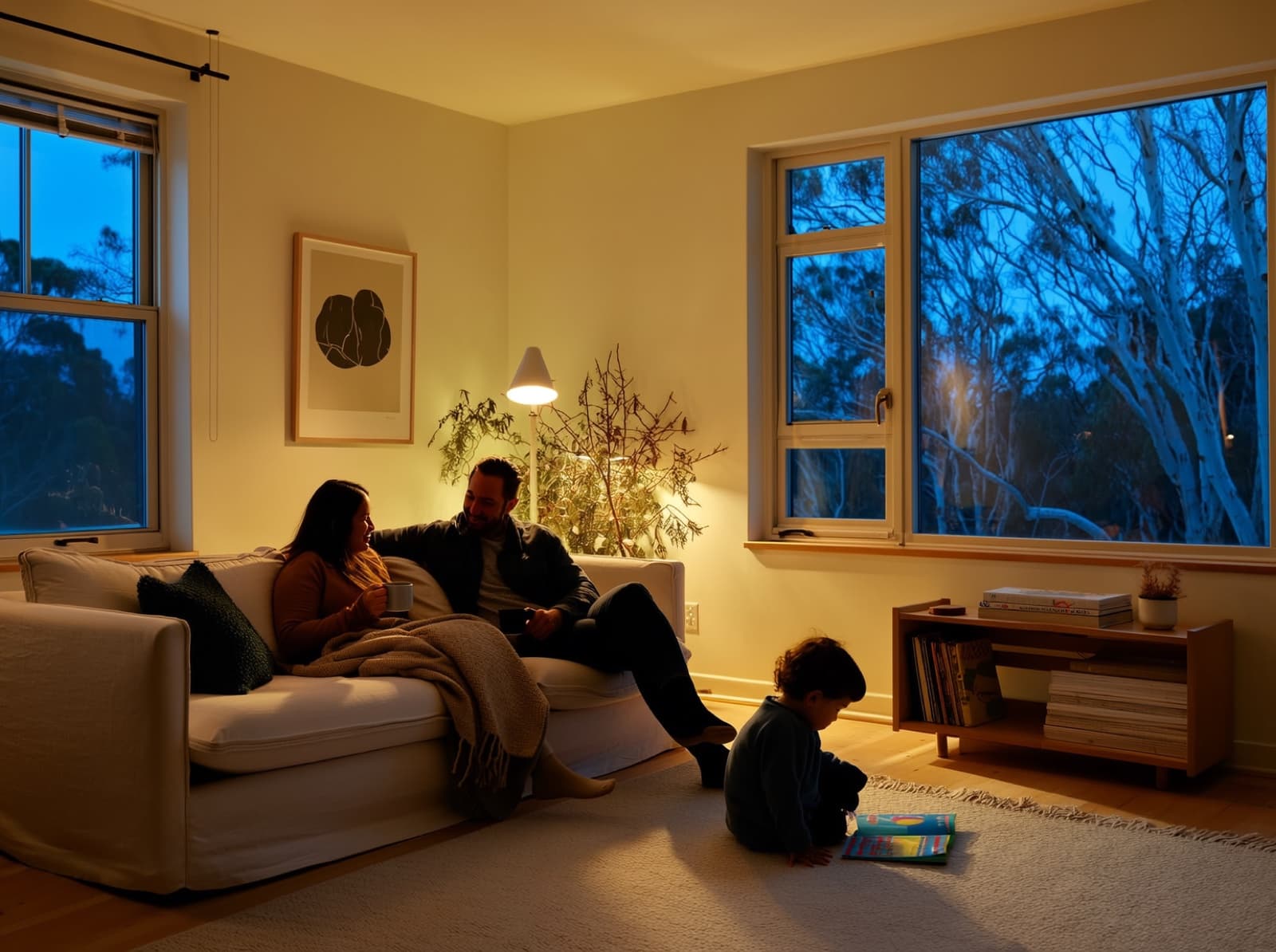
Heat goes up, and your ceiling is where it leaves
In a Victorian home with nothing in the ceiling, that's the biggest escape route your heating has. Bigger than the walls or the windows. Sustainability Victoria puts it at 25 to 35% of your winter heat loss.
Summer runs the same path backwards. The roof space above a bare ceiling sits well above 50 degrees on a hot day, and your air conditioner spends the whole afternoon arguing with it.
Fixing it is a day's work.
What goes in your ceiling, and what you pay for
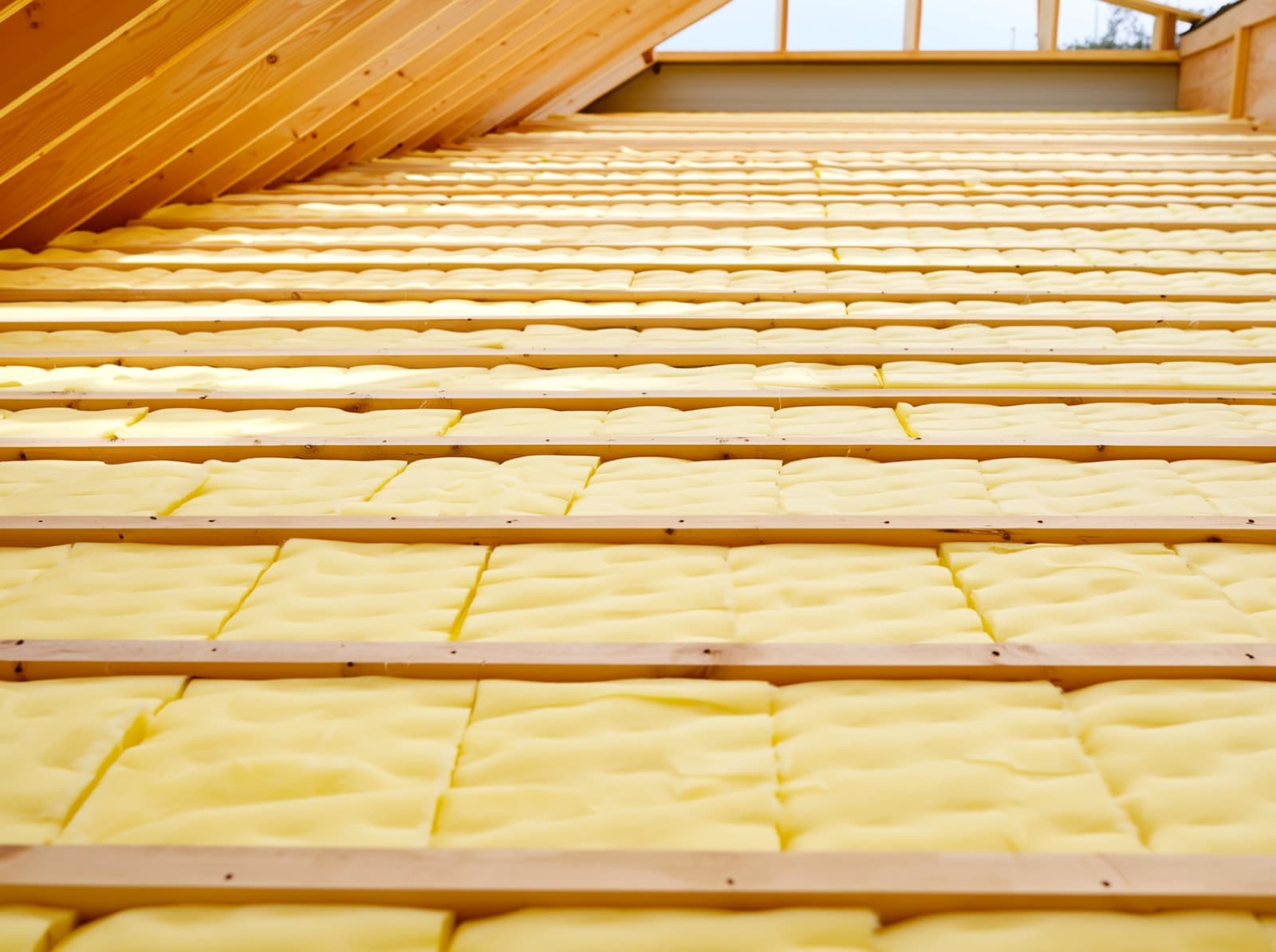
The program allows bulk batts, blanket or rigid foam board, and it sets the finished rating at a total R5.0 across your accessible ceiling. Putting a thinner batt up there breaches the program.
We price by the square metre of ceiling you can actually insulate, which is smaller than your roof. Eaves, the garage and any cathedral ceiling come out of the measurement before you see a price.
Your installer re-measures on site before a single batt goes down, and you see any change before the work starts.
- A pre-install electrical safety assessment by a licensed electrician
- Approved product laid to a total R5.0
- A 5 year workmanship warranty
- The program paperwork, lodged by us
What the program asks of your home
| Requirement | What it means |
|---|---|
| Your ceiling is bare, or close to it | Either nothing up there at all, or existing uncompressed insulation averaging under R2.0. |
| The house isn't nearly new | Homes built, renovated or extended in the last 5 years are excluded from the activity. |
| Your downlights are IC rated | Fittings that aren't rated for insulation contact rule the property out until they're swapped. |
| It's a house or a unit | Class 1 buildings, or a sole occupancy unit inside a Class 2 building. |
| You put in at least $200 | The program sets a minimum household contribution that no provider is allowed to waive, discount back or absorb. |
How the discount actually reaches you
- 01
Check eligibility
A few questions about your ceiling and your postcode. About 30 seconds, no documents.
- 02
We measure the ceiling
We measure your accessible ceiling area and work the discount out from the published formula and your climate zone. You get the number, not a range.
- 03
An electrician goes up first
A licensed electrician assesses and signs off the ceiling space before any insulation goes near it. That form has to be dated within 30 days of the install.
- 04
Install, discount already off
The discount comes off your price up front. There's nothing for you to claim back afterwards and nothing to chase.
The day it goes in
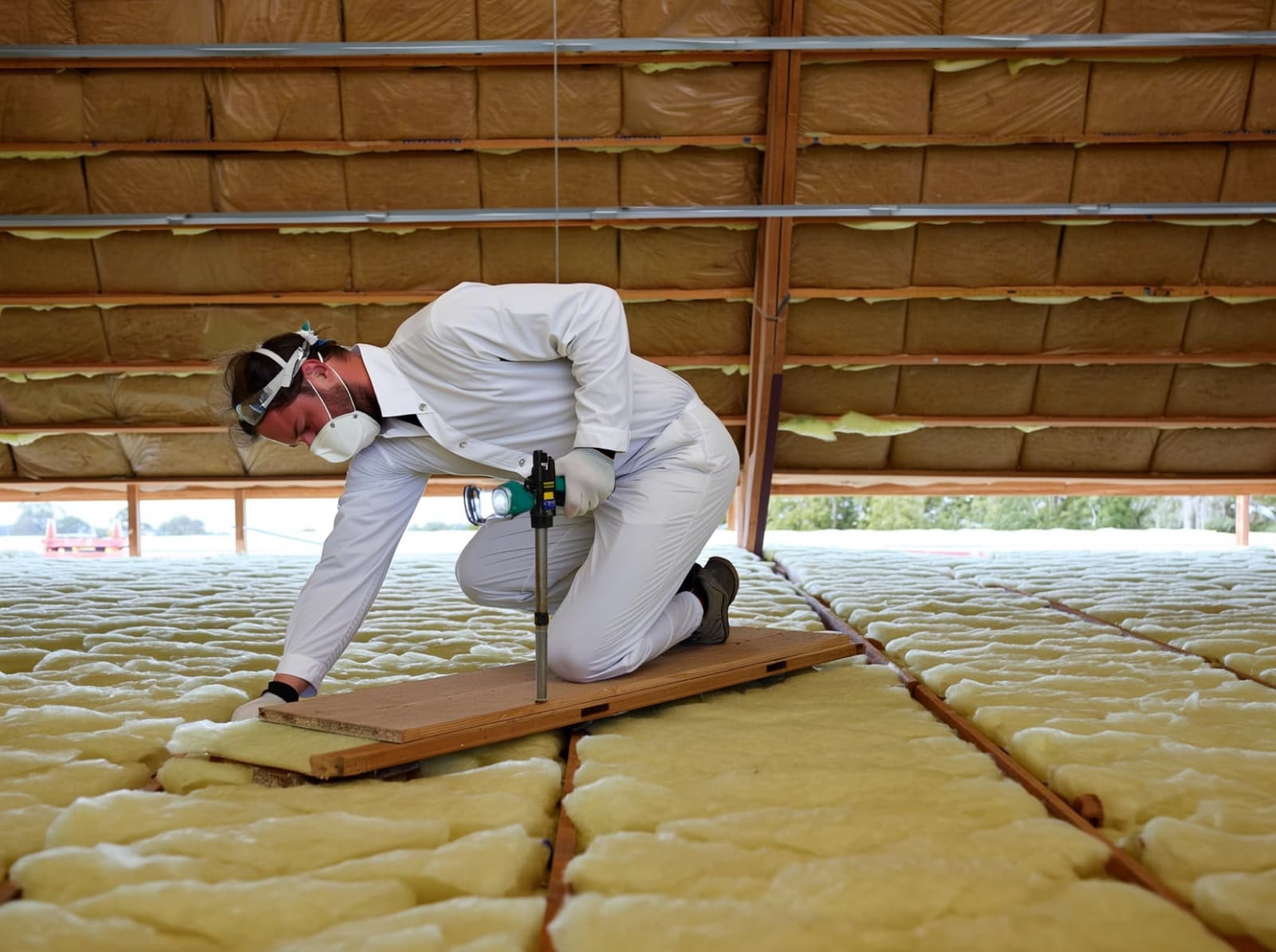
Your agreement is signed and the electrician's assessment is done before anyone turns up with batts. Both are program rules, so there's no paperwork on the doorstep and nobody going up blind.
The installer re-measures your ceiling before laying anything, and works around every fitting that can't legally be covered. Most homes are finished inside a day.
The job gets recorded as it happens. A job that can't be evidenced can't create certificates, so the record matters as much as the batts do.
- Site photographs of the work
- The area that was actually insulated
- Who installed it
- The signed electrical assessment
Someone is going to spend a day in your roof space
The electrical check isn't optional
A ceiling space holds live wiring, old junctions and transformers. When Australia rolled out ceiling insulation at speed in 2009 and 2010, four installers died, three of them electrocuted, and the Royal Commission into the Home Insulation Program traced those deaths to that exact risk going unmanaged. On your job an electrician assesses the space before anyone insulates it, whether or not anything is found.
Insulation over the wrong downlight starts fires
The same Royal Commission linked 94 house fires to insulation installed under that program. AS/NZS 3000 requires 200 mm of clearance around halogen fittings, and only fittings rated for insulation contact can be covered at all. An installer paid by the square metre has every reason to lay straight over the top.
A small gap costs a big share of the performance
Sustainability Victoria's own figure: leave gaps across 5% of the ceiling and R4.0 insulation performs like R2.2. Batts stopped short at the eaves, skipped around a duct or left loose still look fine from the manhole. R5.0 on an invoice is only R5.0 in the ceiling if it was laid properly.
If the paperwork fails, the discount fails
Your discount exists only if the certificates behind it hold up. The Essential Services Commission audits accredited providers, physically re-inspects finished jobs and can cancel an accreditation outright. Whoever is named on your job carries that risk. On your job, that's us.
Find out what your ceiling is worth
The discount is worked out from your ceiling area and your climate zone using the published formula, so we can show you the arithmetic rather than a round number that happens to suit the sale. The program sets a $200 minimum contribution from you, and nobody is allowed to waive it.
Still have questions?
People use both names for the same job. The batts sit on top of your ceiling, inside the roof space, which is why the program calls it ceiling insulation.
It depends on your accessible ceiling area and your climate zone. Both go into a published formula, so the figure is calculated rather than guessed, and we show you how it was worked out. You contribute at least $200 either way.
Only if it's still performing. If your existing uncompressed insulation averages under R2.0, which old flattened batts usually do, the home is eligible.
A total of R5.0 across the accessible ceiling. That's the minimum the program sets, and a thinner product can't be substituted for it.
Only fittings rated for insulation contact can be covered. If the property has non IC rated luminaires it isn't eligible until they're changed, and halogen fittings need 200 mm of clearance under AS/NZS 3000 regardless.
Homes built, renovated or extended in the preceding 5 years are excluded from this activity.
No. The program sets a minimum household contribution of $200 that no provider is allowed to waive, discount back or absorb. An advertisement offering a fully free ceiling upgrade is a provider who isn't following the rules.
Yes, and it's a licensed electrician rather than the person laying the batts. The signed assessment form has to be dated no earlier than 30 days before the work starts.
Most homes are finished inside a day, once the electrical assessment is done and your agreement is signed.
No. The discount comes off the price you're quoted. We create and surrender the certificates, so the paperwork risk sits with us.
Who we answer to
Elite holds Victorian Energy Upgrades accreditation for ceiling insulation, accreditation number A002239. The Essential Services Commission grants that licence, audits it and can take it away, which is what lets us take the discount off your price instead of sending you off to claim it.