A battery is what stops you selling power at 5c and buying it back at 40c
Without storage, most of what your panels make goes to the grid for a feed-in tariff that keeps shrinking. A battery keeps it at home for the evening, when you actually use it. The federal Cheaper Home Batteries program takes around 30% off the upfront cost.
4.6from 1,652 Google reviews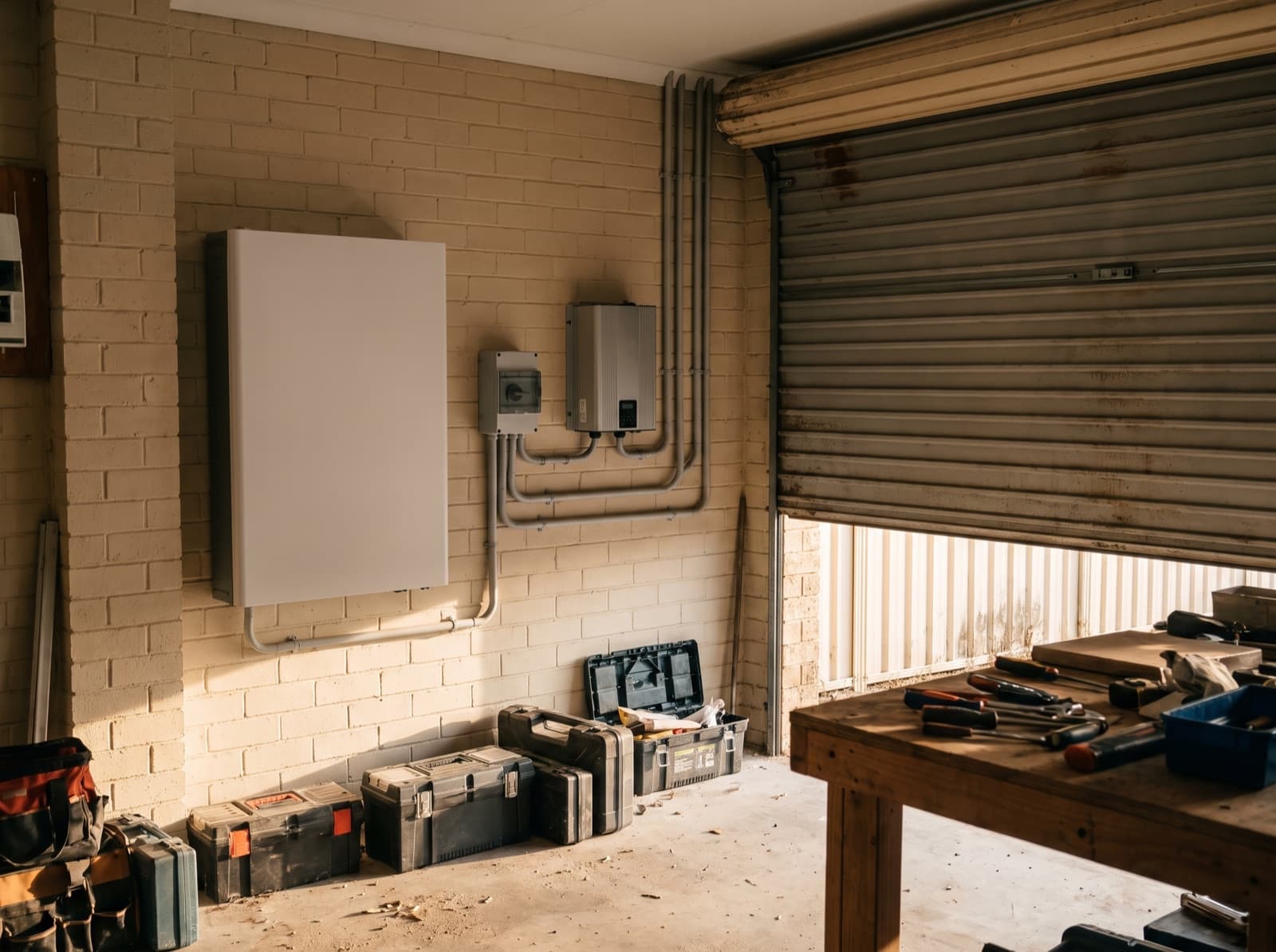
Feed-in tariffs are not what they were
When feed-in rates were generous, exporting your surplus made sense. They have fallen a long way since, while the rate you pay to import at dinner time has gone the other way.
So the arithmetic flipped. Every kilowatt hour you store and use yourself is worth what you would have paid for it, not what the retailer will pay you.
That gap is the whole case for a battery.
Sizing it properly matters more than the brand
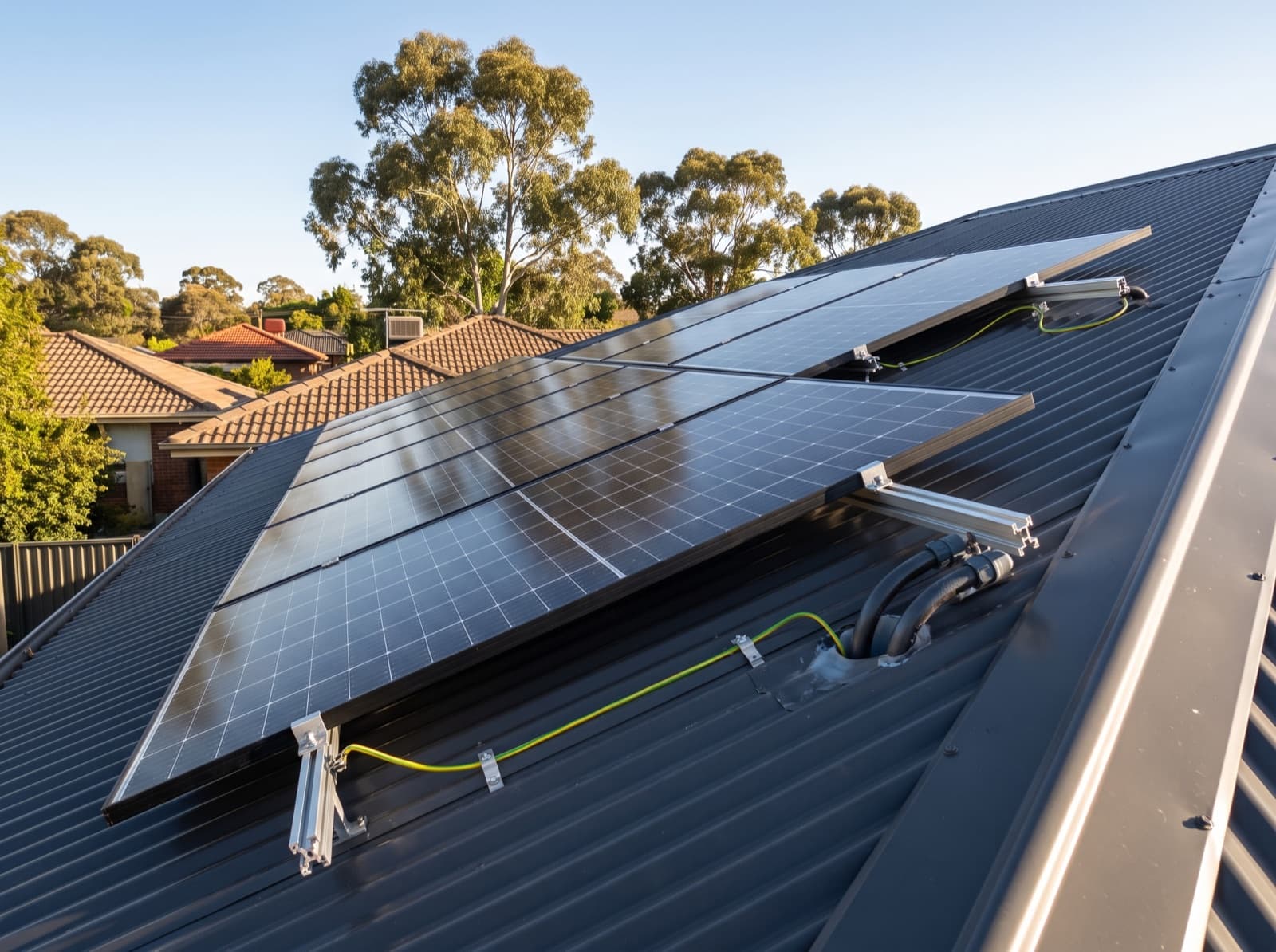
An undersized battery runs flat by 9pm and you are back on grid power for the rest of the evening. An oversized one never fully cycles and you paid for capacity you do not use.
The right size comes out of your actual consumption data, not a rule of thumb. We pull your interval data from your retailer and size against it.
- Your real usage across a full day
- How much your panels already export
- Whether you want backup during an outage
- Storage capacity against power rating
The four things that actually decide it

Storage vs off-grid
Most homes want storage that shifts solar into the evening. True off-grid is a different system at a different price, and rarely worth it on a connected street.

Power rating
Capacity is how much it holds. Power rating is how fast it can deliver. A big battery with a low power rating will not run your oven and air conditioner together.

Budget
The federal Cheaper Home Batteries program takes around 30% off a battery between 5 and 100kWh. The discount is tied to an STC factor that steps down each year, so waiting costs you.

Backup
Not every battery keeps your lights on in a blackout. If that matters to you, say so early, because it changes the wiring as well as the unit.
Find out what a battery is worth at your address
We size it against your real usage data and tell you the payback before you commit to anything. Victoria's interest-free battery loan has closed; the federal discount replaced it.
Still have questions?
Households typically save between $1,322 and $2,252 a year, depending on usage and system size.
Only if it is specified for backup and wired for it. Many batteries shut down with the grid. Tell us up front if this matters and we will scope it properly.
Not for the federal battery discount, though a battery only earns its keep if something is charging it. Note that Solar Victoria's interest-free battery loan has closed, so that pathway is no longer available.
Warranties are typically stated in years and in throughput, meaning total energy cycled through the unit. We will show you both figures for anything we quote.
It comes out of your interval data rather than a guess. We pull your actual consumption from your retailer and size against the evening load.
Who we answer to
Elite is an approved seller under the New Energy Tech Consumer Code and an accredited Solar Victoria retailer.